
From Hobby to Bond: How Couples Connect Through Pokémon Collecting
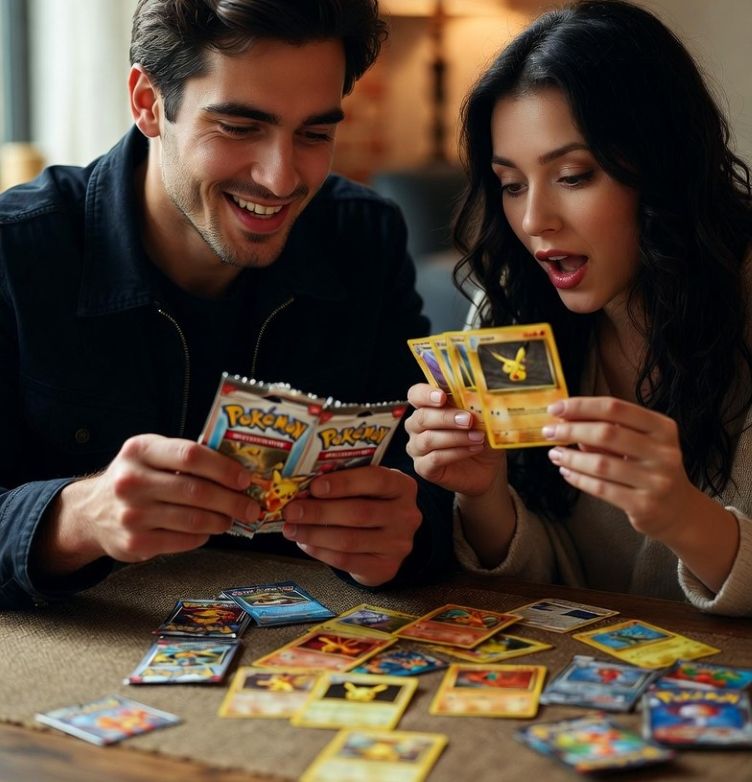
Couples who regularly share activities report higher relationship satisfaction, according to the American Psychological Association. That sounds like something a therapist might say during a counseling session, but honestly, it also describes a surprising place where many relationships thrive, the world of trading cards. Somewhere between opening booster packs and arguing over which card sleeve looks cooler, couples are finding real connection through Pokémon collecting.
It often starts casually. A quick visit to a pokemon store in the UAE during a mall trip. One person points at a familiar character from childhood. The other laughs and says, “Wait, you collected these too?” A few minutes later, they’re flipping through packs together like kids again. That small moment turns into a hobby. And hobbies, when shared, have a funny way of turning into rituals.
Why Shared Collecting Works for Relationships
Collecting gives couples a goal that feels fun instead of stressful. There is always another card to find, another deck to test, another trade to negotiate. It creates teamwork in a way that feels playful rather than competitive.
Psychologists who study relationships often point out that shared experiences strengthen emotional connection. Opening card packs together hits that sweet spot of anticipation and reward. You both lean in. You both hold your breath. And then someone pulls something rare and suddenly there’s cheering in the living room like your team just scored in overtime.
It sounds silly until you experience it. That small burst of joy becomes a shared memory.
Many couples even divide roles naturally. One becomes the strategy expert, the person who studies deck mechanics and tournament builds. The other becomes the collector who tracks rare cards and special releases. The hobby grows into a tiny ecosystem where both people contribute.
Communication Hidden Inside the Game
Trading card games require communication. You talk through deck ideas, compare strategies, and sometimes debate card choices like sports commentators arguing about draft picks. Shared hobbies like this help prevent the isolation that sometimes comes with solo gaming.
In fact, many relationship experts warn about how video game addiction affects relationships, especially when screen time replaces real conversations and shared activities. Collecting cards together flips that dynamic. Instead of one partner disappearing into a game for hours, both people stay involved in the same hobby, discussing strategies, trading duplicates, and celebrating lucky pulls.
“Are you seriously putting that card in the deck?” one partner asks.
“Trust me,” the other replies. “It combos perfectly.”
Moments like this might seem small, but they build habits of discussion and collaboration. Instead of separate hobbies that pull people apart, collecting invites constant interaction.
Even visiting local shops or browsing a pokemon store in the UAE online becomes a mini planning session. Should we grab the new expansion box? Wait for next month’s release? Trade duplicates instead? Those conversations quietly build teamwork.
Budgeting Without Killing the Fun
Let’s be honest. Collectibles can get expensive. A rare card can jump in price overnight depending on tournament results or collector demand. Financial planning suddenly becomes part of the hobby.
Surprisingly, that can be healthy for a relationship.
Instead of impulse spending, couples often create small collecting budgets. Maybe it’s a monthly card allowance. Maybe it’s a rule that rare purchases need a short discussion first. This approach turns the hobby into a shared financial decision rather than a secret splurge.
Some pairs even track card values like a tiny investment portfolio. If a card rises in value, they celebrate. If it drops, they shrug and remind each other they bought it because it looked cool anyway. Nostalgia meets responsible planning. That balance matters.
Nostalgia Is a Powerful Glue
Pokémon has been around since the late 1990s, created by Satoshi Tajiri and developed by Game Freak. Many adults collecting today grew up with the games, the anime, or the trading cards.
When couples rediscover that childhood connection together, it creates an emotional shortcut. Suddenly you’re talking about the schoolyard trades you made at age ten. Or the card you lost and still regret.
Stories come out that might never surface otherwise.
Shared nostalgia can deepen emotional intimacy because it lets partners see each other’s younger selves. That playful side is easy to lose in adult life filled with bills, schedules, and grocery lists. Trading cards quietly bring it back.
Turning Collecting Into a Relationship Ritual
The strongest hobbies eventually turn into traditions. Some couples open new packs every Friday night. Others visit card shops during weekend outings. A few even attend tournaments together just for the atmosphere.
These rituals give relationships a rhythm. Something predictable. Something fun. And every once in a while, a big pull happens. A rare holographic card appears under the light. Both people stare at it for a second before the excitement kicks in. That moment becomes part of the story you’ll tell later.
More Than Just Cards
At the surface, Pokémon collecting looks like a simple hobby. Card sleeves, binders, booster packs. But underneath, it becomes something richer for couples. Communication improves. Financial decisions become shared. Nostalgia opens new conversations.
Even something as simple as browsing a pokemon store in the UAE together can turn into a small adventure that strengthens connection over time.
Relationships thrive on shared experiences. Sometimes those experiences are big, like travel or life milestones. Sometimes they are small, like sitting on the couch and opening trading cards. And honestly, the smaller moments often last longer.
Because years from now, you might not remember every card in the binder. But you will remember the night you pulled the rare one together. That memory, oddly enough, might be the real collectible.
